

scenetra
By scenetra
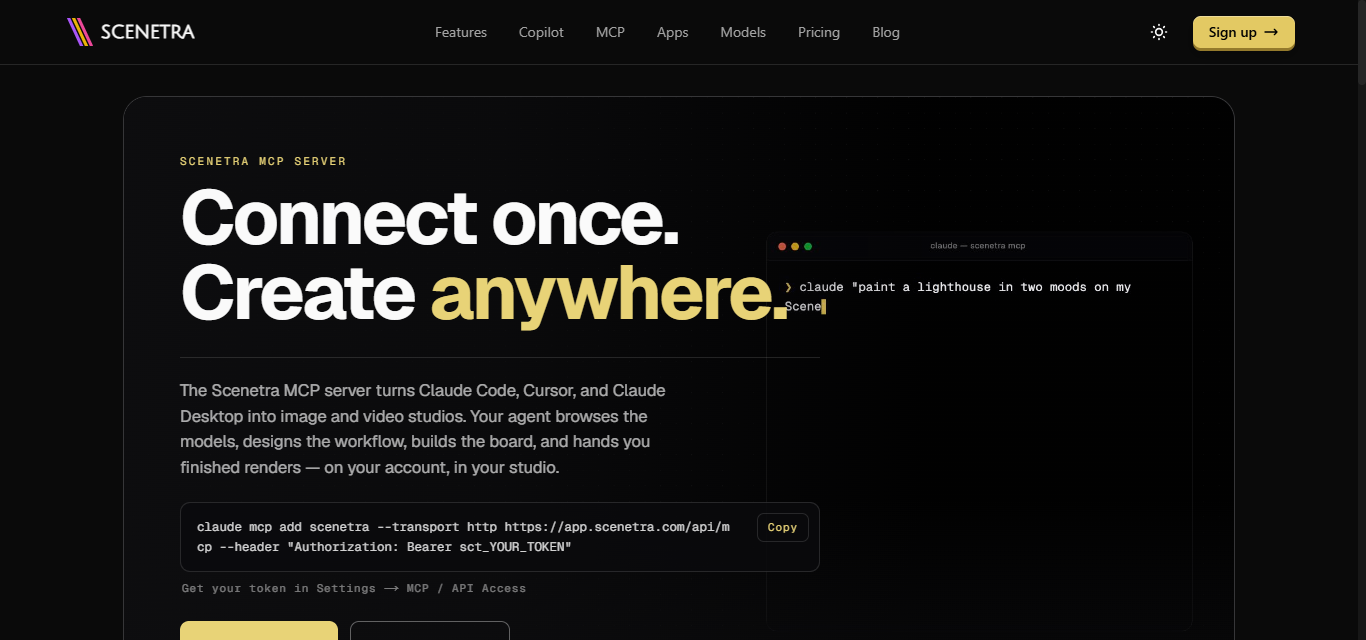
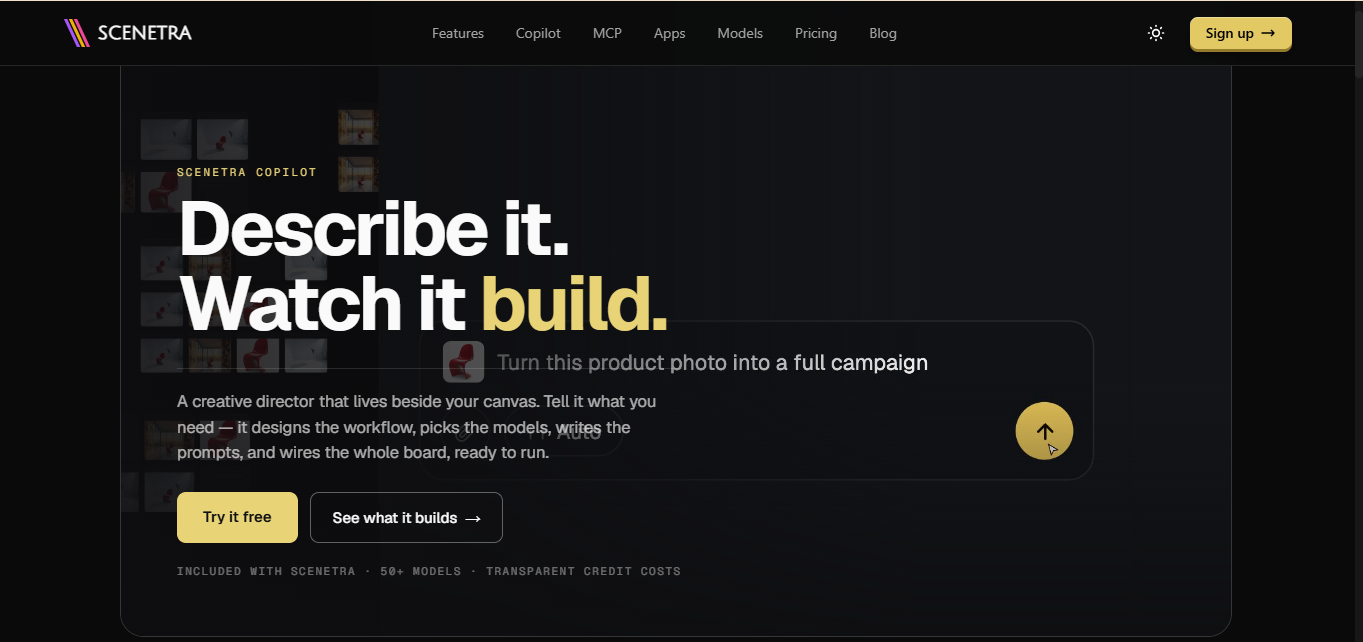
Generate images and videos from 50+ AI models at provider cost with no markups, no subscriptions, and AI agents can build your workflows.
Overview
Summary: Scenetra is a visual AI workspace that brings 50+ image, video, and audio generation models including Seedance, Kling, Veo, FLUX, and GPT Image into a single node-based canvas. Its defining feature is price aggregation with zero markup: every generation runs a live auction across providers, routes to the cheapest one that supports your settings, and bills you at the provider's cost. Scenetra also offers an MCP server so AI agents like Claude and Cursor can build and execute workflows on your behalf, a Scenetra Copilot that designs workflows from plain-text instructions, and reusable workflow templates. Pricing starts at $20 per month for credit plans, with credits spent at provider cost and no per-model subscriptions.
What is Scenetra?
Scenetra is a bootstrapped, solo-founded platform built by Mustafa Dikici, launched in March 2026. It is not a single AI video generator in the traditional sense. It is a multi-model orchestration layer with three interfaces: a visual node-based editor where you wire models together into multi-step pipelines; an API with one endpoint and one key for all supported models; and an MCP server that lets AI agents drive the platform programmatically. The core problem Scenetra solves is price fragmentation: the same model is often resold by a dozen providers at rates that differ by 2× or more, and most platforms hide this. Scenetra checks every seller on every request, buys from the cheapest one at cost, and charges 0% markup. Beyond video generation, the platform supports image generation (professional headshots, product shots, UGC-style visuals) and audio generation, making it a general-purpose visual production workspace rather than a single-purpose tool.
Verifiable Stats:
-
Launch date: March 2026 as initial release as per AI tool directory listings.
-
Model count: 50+ AI models (some sources cite 25+ or 60+) across image, video, and audio including Seedance, Kling, Veo, FLUX, GPT Image, Wan, PixVerse, Grok Imagine, Nano Banana, and Seedream.
-
Provider network: 16 providers compared per generation for price routing per the official MCP package documentation.
-
Markup: 0% markup with all generations billed at provider cost.
-
Pricing tiers: $20, $45, or $80 per month for credit plans, with 20% off annual billing as per TrustMRR and directory listings.
-
Free credits: 100 free credits on signup, no card required as per the MCP documentation.
-
Revenue (verified): $890 MRR and $5,186 all-time revenue, with 41 active subscriptions as of October 13, 2026 verified via Stripe API by TrustMRR.
-
Creator: Mustafa Dikici, solo founder; bootstrapped with 1 person team size as per TrustMRR and Devpost.
-
Early traction: 300+ signups and first paying customers at the time of the Devpost submission as per the founder.
-
Integrations: MCP server for Claude, Cursor, Windsurf, VS Code, and any stdio client as per the official npm package.
-
Platforms: Web (primary), with iOS, Android, and desktop listed in directory metadata.
-
Languages: Multi-language support listed in directory metadata.
Screenshots & Demo
Key Features
Core capabilities and functionalities provided by scenetra.
Context-Aware Code Completion & Synthesis
Delivers low-latency inline code completions, multi-token suggestions, and semantic completions customized to the repository context.
Multi-File Codebase Indexing & Exploration
Deeply scans project files, dependency trees, and symbol references to provide comprehensive cross-file edits and refactorings.
Automated Git & Terminal Workflow Automation
Executes shell commands, analyzes test runs, resolves syntax and runtime bugs, and crafts clean commit messages and pull requests.
Architectural Refactoring & Security Audit
Spots security vulnerabilities, dead code paths, and architectural smells, providing one-click semantic fixes and unit tests.
Native IDE & CLI Integration
Seamlessly operates within developer terminals and mainstream code editors without interrupting daily engineering flow.
Pros & Cons
Key strengths and potential limitations of scenetra.
What We Like
- High-precision AI outputs with strong contextual grounding and minimal latency.
- Intuitive user experience with seamless integration into established daily workflows.
- Flexible tiering with Freemium options enabling easy evaluation before commitment.
Where It Falls Short
- Full throughput quotas and enterprise collaboration features require paid tier upgrade.
- Requires stable high-speed internet connection for cloud model inference and telemetry.
Use Cases
Discover common workflows and scenarios where scenetra excels.
Autonomous Bug Fixing & Issue Resolution
Turn error stack traces and GitHub issue tickets into tested, review-ready pull requests with automated regression prevention.
Legacy Codebase Migration & Modernization
Accelerate architectural refactoring, framework upgrades, and language porting across extensive multi-repo codebases.
Interactive CLI & Pair Programming
Pair with an intelligent terminal agent that writes shell commands, inspects local git diffs, and explains complex dependencies.
Similar AI Tools






Latest from Our Blog
Tips, tutorials and insights about AI tools and how to use them effectively.

ChatGPT for Brand Voice: Can It Sound Like You?

ChatGPT for Marketing: The Complete 2026 Guide

Best AI Tools for Real Estate Agents in 2026: Listings, Leads and Follow-Up
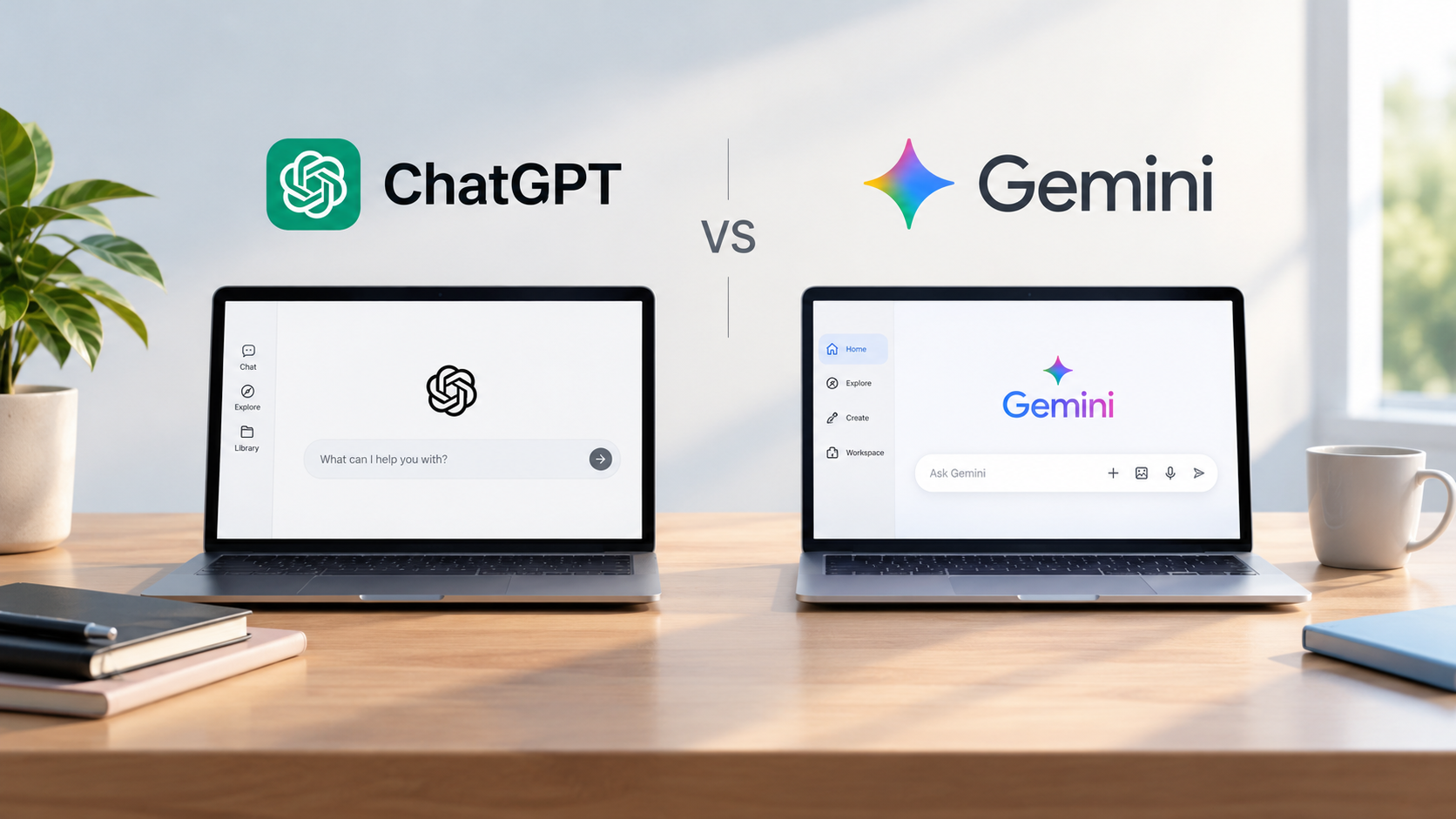
Google Gemini vs ChatGPT: Which AI Assistant Should You Actually Use?
Reviews & Community Ratings
Average rating: 5.0 out of 5 (1 total reviews)
Rate scenetra
Community Reviews (0)