DeerFlow
By DeerFlow
AI-powered coding companion built for high-velocity software engineering.
Overview
Summary: DeerFlow is an open-source AI SuperAgent framework developed by ByteDance that helps users automate complex, multi-step tasks involving research, coding, data analysis, and content creation. Powered by agent orchestration, subagents, persistent memory, sandboxed execution, and customizable skills, it can plan tasks, delegate work, use tools, and generate practical deliverables such as research reports, presentations, websites, dashboards, and code. Built on LangGraph and LangChain, DeerFlow 2.0 is designed for long-running workflows that may take minutes or hours to complete. It is available under the MIT License and supports self-hosted deployment.
What is DeerFlow?
DeerFlow is an AI agent platform that goes beyond ordinary chatbot interactions. Instead of simply responding to prompts, it provides an execution environment where AI agents can plan tasks, perform multiple actions, use external tools, manage files, and produce completed work. It is designed to handle complex tasks that require several stages of reasoning and execution.
One of its key capabilities is multi-agent orchestration. DeerFlow can divide a large task into smaller assignments and delegate them to specialized subagents. These agents can work independently or in parallel, allowing the main agent to coordinate research, analysis, coding, and other activities without overwhelming a single conversation context.
The platform also includes a customizable Skills and Tools system. Users can extend its capabilities with built-in or custom skills for deep research, report generation, slide creation, website development, image and video generation, and data analysis. It also supports external tools through Model Context Protocol (MCP) integrations and custom Python functions.
Another important feature is its sandboxed execution environment. Agents can read and write files, execute commands, run code, and create deliverables within an isolated workspace. Combined with persistent memory and context management, this allows DeerFlow to maintain useful information and work through longer projects across multiple steps.
DeerFlow provides two main components: DeerFlow Harness, the core runtime and SDK for developers building custom agent systems, and DeerFlow App, a reference application for deploying and using those capabilities through a workspace interface. This makes it useful both for developers creating AI-powered products and teams looking to operate an AI agent environment.
Key Features
-
Autonomous Task Planning: Breaks complex requests into smaller steps and coordinates their execution.
-
Multi-Agent Orchestration: Delegates specialized tasks to multiple subagents, including parallel execution.
-
Deep Research: Searches for information, gathers sources, and creates structured research reports.
-
AI Coding & Execution: Writes code, works with files, runs commands, and supports software development workflows.
-
Custom Skills & Tools: Extends agent capabilities through reusable skills, MCP servers, and Python functions.
-
Sandboxed Execution: Provides an isolated workspace for file operations, code execution, and project development.
-
Persistent Memory: Retains useful information across conversations and sessions.
-
Content & Presentation Generation: Supports workflows for creating reports, slide decks, websites, and other content.
-
Data Analysis: Helps process datasets, perform analysis, and generate visualizations.
-
Multi-Model Support: Can be configured to work with different language-model providers.
-
Agentic Browser Control: Supports browser navigation, clicking, typing, and interacting with dynamic websites through its optional browser tools.
-
Scheduled Tasks: Supports one-time, recurring, and interval-based task scheduling in its application.
Screenshots & Demo
Key Features
Core capabilities and functionalities provided by DeerFlow.
Context-Aware Code Completion & Synthesis
Delivers low-latency inline code completions, multi-token suggestions, and semantic completions customized to the repository context.
Multi-File Codebase Indexing & Exploration
Deeply scans project files, dependency trees, and symbol references to provide comprehensive cross-file edits and refactorings.
Automated Git & Terminal Workflow Automation
Executes shell commands, analyzes test runs, resolves syntax and runtime bugs, and crafts clean commit messages and pull requests.
Architectural Refactoring & Security Audit
Spots security vulnerabilities, dead code paths, and architectural smells, providing one-click semantic fixes and unit tests.
Pros & Cons
Key strengths and potential limitations of DeerFlow.
What We Like
- Autonomous Multi-Step Task Execution: DeerFlow can break complex requests into smaller tasks, plan workflows, and execute them over extended periods, reducing the need for constant manual intervention.
- Multi-Agent Collaboration: It can create and coordinate specialized subagents that handle different parts of a task, including parallel research, coding, and analysis.
- Extensive Customization: Developers can extend DeerFlow with custom skills, MCP integrations, Python functions, and external tools to build workflows suited to their requirements.
- Built-In Memory and Sandbox Execution: Its architecture combines persistent memory, file management, and sandboxed code execution, helping agents manage longer projects and work with files and commands.
- Open-Source and Self-Hostable: DeerFlow is available under the MIT License, allowing developers to inspect, customize, and deploy the framework in their own environments
Where It Falls Short
- Technical Setup Required: Installing and configuring DeerFlow involves development tools, environment variables, model providers, and supporting services. It may be challenging for non-technical users.
- Infrastructure Requirements: Running DeerFlow, particularly for long-running tasks and multiple agents, requires sufficient computing resources. Its documentation recommends more powerful infrastructure for shared or persistent deployments.
- Additional API and Hosting Costs: Although the framework is open-source, users may need to pay separately for language-model APIs, cloud infrastructure, search services, and sandbox providers.
- Deployment Security Needs Attention: DeerFlow can execute commands and perform file operations. Its documentation warns that improper public deployment can expose powerful capabilities to unauthorized users, making authentication and network isolation important
- AI Output Requires Human Review: Multi-agent execution does not guarantee accurate results. Generated research, code, reports, and other deliverables should be reviewed and tested before professional or production use.
Use Cases
Discover common workflows and scenarios where DeerFlow excels.
Deep Research and Information Gathering
Automate research tasks by delegating information gathering, source analysis, and topic exploration to specialized AI agents.
Automated Report Generation
Create structured research reports, business summaries, and technical documentation by combining information collected and analyzed by multiple agents.
AI-Powered Software Development
Build applications, write code, debug errors, execute commands, and manage development tasks through AI-assisted coding workflows.
Website and Application Development
Use DeerFlow agents to generate website structures, develop application components, modify files, and create functional digital projects.
Data Analysis and Visualization
Process datasets, perform calculations, identify patterns, and generate visualizations to support business and research decisions.
Data Analysis and Visualization
Process datasets, perform calculations, identify patterns, and generate visualizations to support business and research decisions.
Presentation and Slide Creation
Automate the preparation of presentation materials by researching topics, organizing information, and generating structured slide content.
Business Workflow Automation
Create multi-step workflows that coordinate different tools and agents to handle repetitive business activities and operational tasks.
Content Creation and Knowledge Management
Generate articles, summaries, documentation, and organized knowledge resources using research findings and reusable AI skills.
Similar AI Tools
AI Agent Minimax
Context-aware software development platform for rapid engineering workflows.

ChatGPT
Research, Write, Code, Analyze, and Create with OpenAI’s Multimodal AI Assistant.

Claude
Write, Code, Analyze, Research, and Automate Complex Tasks with Claude AI.

Google - Gemini
Research, Write, Code, and Create with Google’s Multimodal AI Assistant.

Grok -AI
Get Real-Time Answers, Research the Web, Code, and Create with Grok AI.

ChatGOT
Your All-in-One AI Chatbot Assistant
Leapd
AI-powered coding companion built for high-velocity software engineering.

Ptero
Chat with 70+ AI Models, Compare Responses, Debug Code, and Build Projects for Free.
Latest from Our Blog
Tips, tutorials and insights about AI tools and how to use them effectively.
ChatGPT for Brand Voice: Can It Sound Like You?
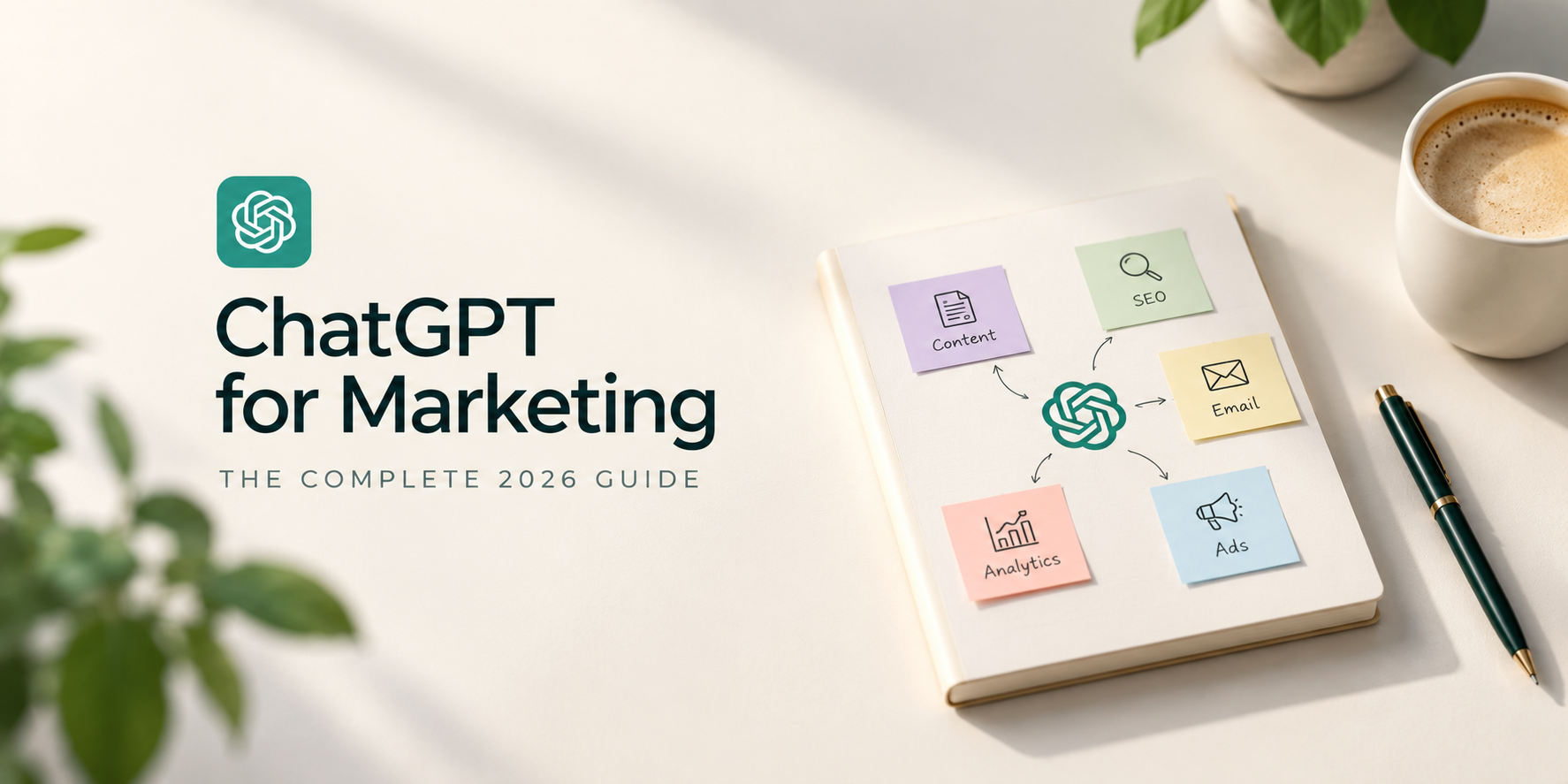
ChatGPT for Marketing: The Complete 2026 Guide
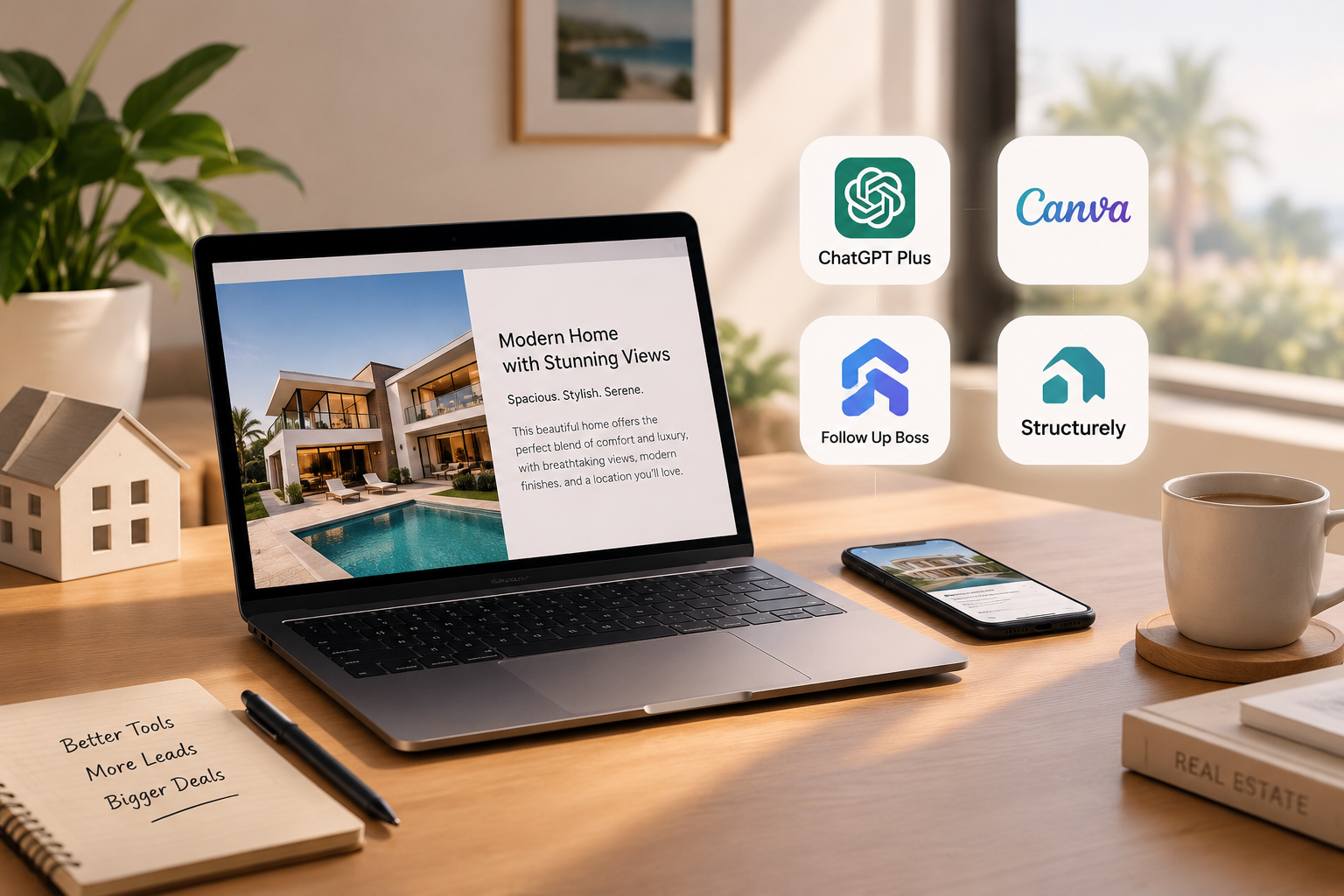
Best AI Tools for Real Estate Agents in 2026: Listings, Leads and Follow-Up