

Open AI Codex
By Open AI Codex
Intelligent developer copilot automating code completion, refactoring, and debugging.
Overview
Summary: OpenAI Codex is an AI-powered coding agent designed to help developers write, understand, test, debug, review, and ship software. It can work on complex programming tasks, implement features, fix bugs, refactor code, generate tests, and review pull requests. Codex supports multiple workflows through ChatGPT, an IDE extension, a command-line interface (CLI), and a web-based experience. It can also coordinate multiple agents, use supported tools, and continue eligible coding tasks in cloud environments.
What is OpenAI Codex?
OpenAI Codex is an AI coding agent that works with software projects to help users move from a programming request to working code. Instead of only suggesting code snippets, it can inspect project files, make changes across a codebase, run commands and tests in supported environments, investigate errors, and explain its results for review.
Codex is useful throughout the software development lifecycle, including planning features, implementing functionality, debugging applications, refactoring existing code, writing tests, and reviewing code changes. Developers can access it through ChatGPT, supported code editors, the terminal using Codex CLI, and the Codex web experience. Depending on the client, permissions, and plan, it can also use browser or computer-interaction tools and coordinate parallel agents to work on separate tasks.
Codex is intended for professional developers, software engineers, students, and technical teams. It can also support non-developers who want to build prototypes or automate technical workflows, although generated code should be reviewed and tested before deployment. Availability, usage limits, and cloud features depend on the ChatGPT plan and the selected Codex environment.
Verifiable Stats
-
Official Website: https://openai.com/codex/
-
Developer: OpenAI
-
Tool Type: AI Coding Agent / Software Development Assistant
-
Core Capabilities: Code generation, debugging, refactoring, testing, code review, and feature implementation.
-
Supported Interfaces: Codex in ChatGPT, web, IDE extension, and Codex CLI.
-
Multi-Agent Workflows: Can coordinate multiple agents in parallel for supported tasks.
-
Cloud Execution: Eligible workflows can continue in cloud environments, depending on plan and workspace access.
-
Code Review: Supports pull-request review and can surface potential bugs and other findings.
-
Computer and Browser Tools: Available in supported Codex environments, subject to client, platform, and access restrictions.
-
Pricing: Codex usage is included with eligible ChatGPT plans, with limits varying by plan. Additional credits or separate usage-based API charges may apply to some workflows.
-
Best For: Developers, software engineers, programmers, technical teams, students, and builders working on applications, websites, scripts, and software projects.
Screenshots & Demo
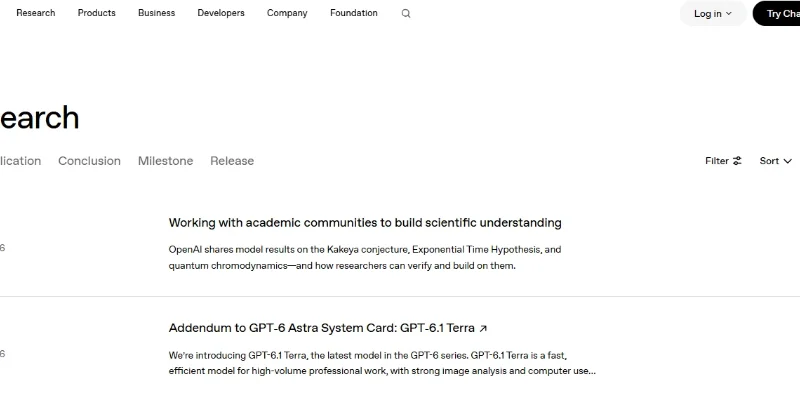
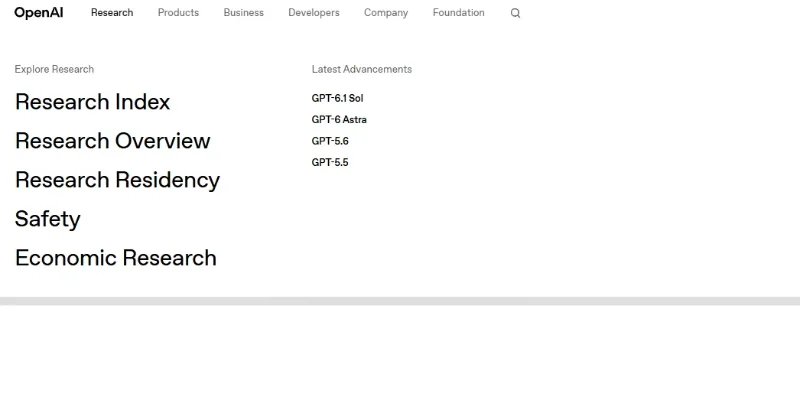

Key Features
Core capabilities and functionalities provided by Open AI Codex.
Context-Aware Code Completion & Synthesis
Delivers low-latency inline code completions, multi-token suggestions, and semantic completions customized to the repository context.
Multi-File Codebase Indexing & Exploration
Deeply scans project files, dependency trees, and symbol references to provide comprehensive cross-file edits and refactorings.
Automated Git & Terminal Workflow Automation
Executes shell commands, analyzes test runs, resolves syntax and runtime bugs, and crafts clean commit messages and pull requests.
Architectural Refactoring & Security Audit
Spots security vulnerabilities, dead code paths, and architectural smells, providing one-click semantic fixes and unit tests.
Pros & Cons
Key strengths and potential limitations of Open AI Codex.
What We Like
- End-to-End Coding Assistance: Helps developers implement features, fix bugs, refactor code, write tests, and review changes across software projects.
- Multiple Ways to Work: Available through ChatGPT, supported IDEs, the command line, and a web-based experience, offering flexibility for different development workflows.
- Complex Task Handling: Can inspect project files, modify multiple files, run commands, and test changes in supported environments.
- Parallel Agent Workflows: Supports delegating separate coding tasks to multiple agents, helping teams explore or complete independent work simultaneously.
- Code Review and Debugging: Helps identify potential bugs, investigate errors, and suggest improvements before code is merged or deployed.
Where It Falls Short
- Generated Code Needs Review: Codex can make incorrect assumptions, introduce bugs, or produce code that does not fully meet project requirements
- Usage Limits Vary by Plan: Task allowances and access to advanced capabilities depend on the eligible ChatGPT plan and current usage limits.
- Complex Tasks Need Clear Instructions: Large or ambiguous coding requests may require detailed prompts, context, and iterative feedback.
- Environment and Permission Constraints: File access, command execution, browser tools, and cloud workflows depend on the selected interface and granted permissions.
- Not a Replacement for Engineering Judgment: Security, performance, architecture, and production readiness still require human review, testing, and validation.
Use Cases
Discover common workflows and scenarios where Open AI Codex excels.
AI-Powered Code Generation
Generate code from natural-language instructions to implement functions, components, scripts, and application features across supported programming languages.
Website and Web App Development
Build and improve websites, frontend components, backend services, and web applications by asking Codex to create or modify project files.
Bug Fixing and Debugging
Investigate errors, trace potential causes, suggest fixes, and run supported tests to help resolve software issues more efficiently.
Automated Test Creation
Generate unit tests, integration tests, and other test cases to improve software coverage and identify regressions during development.
Code Refactoring
Improve existing code by simplifying complex functions, reducing duplication, reorganizing files, and making changes easier to maintain.
Code Review and Quality Checks
Review code changes for potential bugs, logic errors, maintainability issues, and other problems before merging or deploying updates.
Feature Implementation
Delegate multi-step programming tasks, such as adding authentication, building API endpoints, integrating services, or implementing new application features.
Repository Exploration
Analyze an existing codebase to understand its structure, trace how components interact, locate relevant functions, and identify files that need modification.
Similar AI Tools





Latest from Our Blog
Tips, tutorials and insights about AI tools and how to use them effectively.

ChatGPT for Brand Voice: Can It Sound Like You?

ChatGPT for Marketing: The Complete 2026 Guide

Best AI Tools for Real Estate Agents in 2026: Listings, Leads and Follow-Up
Google Gemini vs ChatGPT: Which AI Assistant Should You Actually Use?
Reviews & Community Ratings
Average rating: 8.5 out of 5 (1 total reviews)
Rate Open AI Codex
Community Reviews (0)